10 Things Everybody Has To Say About Double Glazing Process
Understanding the Double Glazing Process: A Comprehensive Guide
In recent years, double glazing has actually emerged as an extremely sought-after service among house owners, passionate about improving energy performance and improving living convenience. It includes installing windows that consist of 2 panes of glass separated by a space filled with air or gas. This article dives into the double glazing procedure, its benefits, and vital factors to think about while installing it.
What is Double Glazing?
Double glazing refers to a window system that consists of two layers of glass sealed together, with an insulating space in between. This design substantially reduces heat transfer, therefore enhancing a home's energy efficiency.
Why Choose Double Glazing?
The appeal of double glazing can be credited to numerous benefits:
- Energy Efficiency: By lessening heat loss throughout winters and keeping interiors cooler in summer seasons, double glazing can cause considerable savings on energy bills.
- Noise Reduction: The area between the glass layers supplies outstanding noise insulation, helping to produce a quieter indoor environment.
- Increased Security: Double-glazed windows are harder to break compared to single-pane glass, offering an included layer of security.
- Condensation Reduction: The insulating space assists to minimize condensation on interior surfaces.
- Environmentally Friendly: Improved energy performance contributes to decreased carbon footprints.
The Double Glazing Process
The double glazing procedure includes numerous actions. Below is an in-depth explanation of these steps:
1. Picking the Right Glazing Type
Before setup, house owners should choose in between numerous double glazing options, consisting of:
- Argon Gas-Filled: A common choice, where argon gas provides enhanced insulation.
- Low-E (Low Emissivity) Glass: This glass has a special finish that reflects heat back into the room, additional enhancing energy efficiency.
- Acoustic Glass: Designed to decrease noise, perfect for homes in loud environments.
2. Selecting a Reputable Supplier
Choosing a provider who uses quality items and a solid service warranty is vital for guaranteeing customer fulfillment. Research and reviews can help limit the alternatives.
3. Measurement and Quotation
Once a provider is selected, experts will check out the residential or commercial property to determine existing windows accurately. After measurements, a detailed quote will be offered, outlining costs and timelines.
4. Production the Double Glazing Units
After verification, the chosen specifications are sent out to the factory where the double-glazed units are manufactured. This consists of cutting the glass panes, including the spacer bars, and sealing the systems.
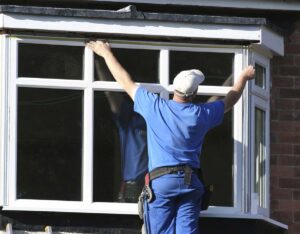
5. Installation
The installation process usually includes the following steps:
- Preparation: This consists of getting rid of existing windows and cleaning up the opening.
- Positioning: The brand-new double-glazed units are fitted into location, typically with spacers to make sure appropriate positioning.
- Sealing: After placing, the frames are sealed utilizing premium sealants to prevent moisture ingress and air leak.
- Ending up Touches: Finally, exterior and interior trimming is used to provide a sleek and aesthetically pleasing appearance.
Upkeep of Double Glazed Windows
Proper upkeep of double-glazed windows can substantially extend their life-span. Here are some suggestions:
- Regular Cleaning: Use non-abrasive cleaners for the glass and frames.
- Check Seals: Conduct regular evaluations for any indications of wear and tear on seals.
- Clear Drainage Holes: Ensure drainage holes are devoid of particles to prevent moisture build-up.
- Look for Condensation: Frequent condensation may suggest seal failure, calling for timely attention.
Potential Drawbacks
Despite its many benefits, it is important to think about prospective downsides, such as:
- Initial Cost: The upfront cost of double glazing can be higher than single glazing.
- Weight: Double-glazed units are heavier, which may need a modification in the structural support of windows.
- Replacement Difficulty: Replacing defective double glazing can be more complex than single-pane replacements.
Frequently Asked Questions (FAQs)
1. Does double glazing decrease noise?
Yes, double glazing supplies significant noise decrease compared to single-pane windows, making it perfect for homes in busy areas.
2. Is double glazing worth the financial investment?
While the preliminary investment can be greater, the long-term energy savings and increased convenience usually justify the expense.
3. Can I set up double glazing myself?
While DIY installation is possible, employing knowledgeable experts is recommended for ensuring correct setup and maximized advantages.
4. For how long does double glazing last?
Quality double glazing can last upwards of 20 years with proper upkeep.
5. What is the best type of glazing for energy efficiency?
Low-E glass integrated with argon gas is among the most effective types of double glazing readily available.
Understanding the double glazing procedure is crucial for homeowners looking to boost energy effectiveness, reduce sound, and improve convenience in their homes. By following repairmywindowsanddoors.co.uk described steps— from choice and measurement to setup and upkeep— people can make informed decisions that yield considerable long-term advantages. As homeowners tackle this necessary upgrade, being knowledgeable will surely lead them towards a more comfy and sustainable living environment.
Step
Description
1. Choosing the Right Glazing Type
Select glass type: Argon, Low-E, or Acoustic
2. Selecting a Reputable Supplier
Research, read reviews, and pick carefully
3. Measurement and Quotation
Precise measurements to receive an in-depth quote
4. Production the Double Glazing Units
Development of the units based on requirements
5. Setup
Getting rid of old units, correct fitting, and sealing
By comprehending both the procedure and benefits of double glazing, house owners can play a proactive role in enhancing their living situations while contributing to energy efficiency and convenience. This detailed introduction serves as a beginning point for anybody considering this critical home enhancement.